
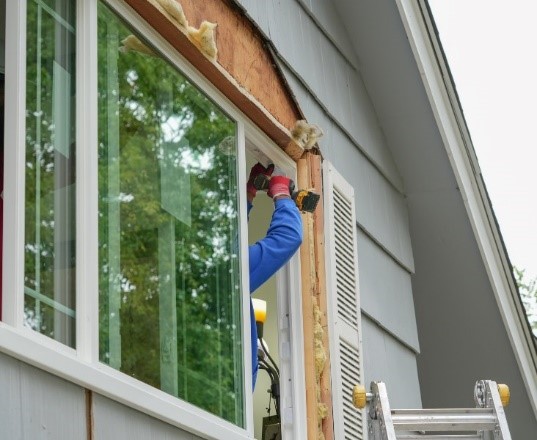
If you have noticed cold drafts near your windows or your energy bills rising, your old windows may be to blame. Replacing them with energy-efficient windows is an easy way to refresh your home’s appearance, improve your comfort, and help control your utility costs. At Ferris Home Improvements, we install high-performance windows for homeowners across Delaware, Maryland, and Pennsylvania.
Why Energy-Efficient Windows Are a Smart Choice
Old windows can let precious heat escape in the winter and allow unwanted heat in during the summer. This puts extra strain on your heating and cooling system, making it work overtime. Installing energy-efficient windows helps keep your home’s temperature steady all year long. That means your furnace and air conditioner don’t have to work as hard, which can help them last longer and save you money on your monthly bills.
Key Features of Energy-Efficient Windows
Standard windows are made of basic glass and a frame, while energy-efficient windows use special technology to reduce heat loss.
Low-E Glass Coatings
Low-emissivity (Low-E) coatings are thin layers of metal or metal oxide added to the glass. These coatings reflect infrared light, so heat stays inside in winter and outside in summer. They also block harmful UV rays, which helps protect your furniture and floors from fading.
Double or Triple Panes
Single-pane windows provide very little insulation. Modern energy-efficient windows use two or three panes of glass to create an insulating barrier. The space between these panes traps air (or gas), which significantly slows down the transfer of heat compared to a single sheet of glass.
Gas Fills Between Panes
To make windows work even better, manufacturers often fill the space between panes with gases like argon or krypton. These gases are thicker than air, so they insulate better and help keep outside temperatures from affecting your home.
Durable Frames
The material of your window frame is just as important as the glass. Vinyl and fiberglass frames insulate better than aluminum, which lets heat pass through quickly. A good frame helps the whole window work well, not just the glass.
Benefits of Window Replacement for Energy Savings
Replacing old, drafty single-pane windows is one of the smartest ways to boost your home’s insulation. While there’s an upfront cost, the long-term savings and comfort make it a smart investment.
- Lower heating and cooling bills year-round
- Improved indoor comfort with fewer drafts
- Reduced environmental impact through energy conservation
- Increased home value and curb appeal
Understanding Window Ratings and What They Mean
When you’re shopping for new windows, check for labels from the National Fenestration Rating Council (NFRC). The U-factor tells you how well a window keeps heat inside. Lower numbers mean better insulation. The Solar Heat Gain Coefficient (SHGC) shows how much solar heat gets through the glass. In our region, you’ll want windows that hold onto heat in the winter but keep out too much sun in the summer.
Upgrade to Energy-Efficient Windows Now
Picking the right windows means thinking about how they work, how they look, and what fits your budget. At Ferris Home Improvements, we guide you through the options to find the best match for your home. Contact us today to see how we can help make your home more comfortable and energy efficient.